February 24, 2026
The Pump is a Lie: New Study Reveals Why Muscle Swelling Isn't Growth
New 2026 research confirms that the "muscle pump" is a metabolic illusion. Learn why mechanical tension, not the burn, is the only metric that matters for real growth.
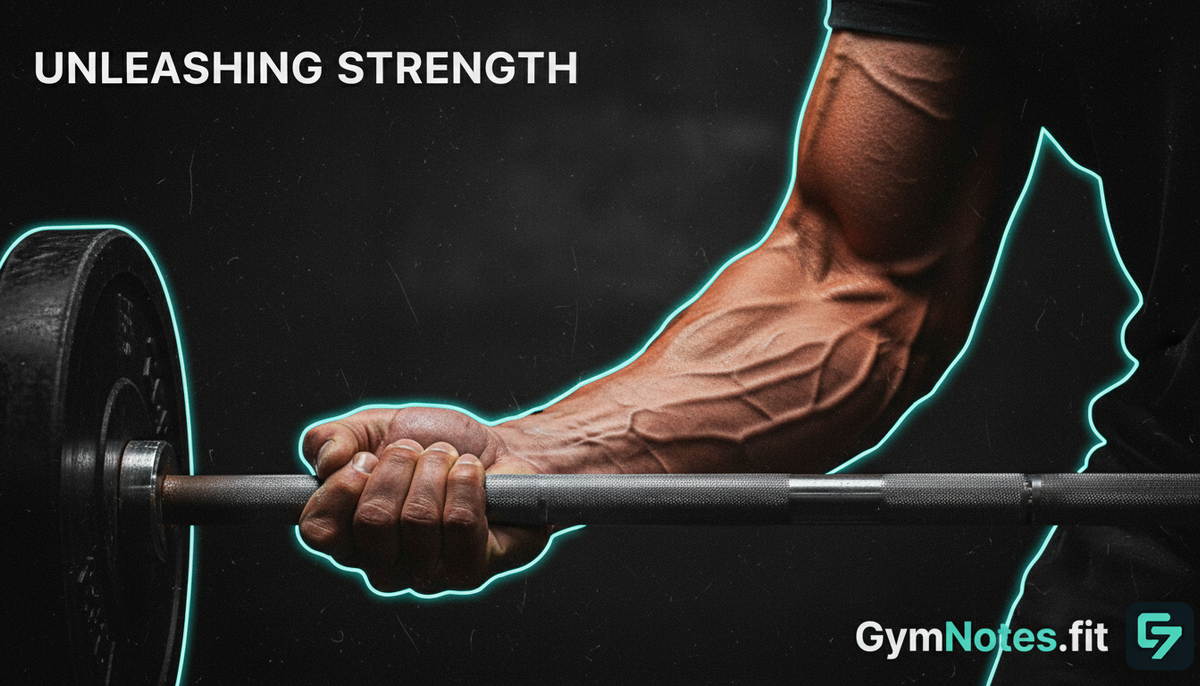
For decades, the "pump" has been the holy grail of bodybuilding. If your muscles weren't screaming and swollen by the end of a session, you weren't growing—or so we thought. New data is finally separating the physiological "swell" from actual contractile tissue growth, and the results are a wake-up call for anyone chasing the burn over the bar.
The Evidence: Muscle Swelling vs. Real Growth
Recent research from Dr. De Souza’s lab (2026) published in the International Journal of Sports Medicine has pulled back the curtain on "temporary hypertrophy." The study tracked trained lifters using advanced ultrasound imaging and found that the massive increase in muscle thickness we see immediately after high-volume sessions is almost entirely short-lived fluid shift. These levels returned to baseline within 24 hours, meaning that "pumped" feeling has zero correlation with the long-term accretion of muscle protein.
Further reinforcing this, a 2026 narrative review by Van Every, Phillips, et al., systematically debunked the "metabolic stress" myth. The researchers pointed out a glaring logical flaw: high-rep endurance training creates massive metabolic "burn" and cellular waste, yet it results in almost no hypertrophy. Their conclusion? Intracellular swelling and the "burn" are merely byproducts of training, not the drivers of it.
Mechanical tension—the actual physical force of a heavy load stretching and contracting the muscle fiber—remains the king of growth. If you are sacrificing weight on the bar just to feel a "pump" with light weights and short rest periods, you are likely trading real progress for a temporary mirror illusion.
⚡ The GymNotes.fit Takeaway
- Prioritize Load Over Lactic Acid: Focus on progressive overload in the 6-12 rep range where mechanical tension is highest, rather than chasing the "burn" with 20+ reps.
- Don't Trust the Post-Gym Mirror: The localized swelling (sarcoplasmic edema) you see in the locker room is fluid, not fiber. Judge your progress by your strength gains and cold, morning measurements.
- Ignore the Hormonal Spike: Transient rises in testosterone or Growth Hormone during a workout are reactions to stress, not signals that build muscle. Stick to the basics of heavy resistance and recovery.